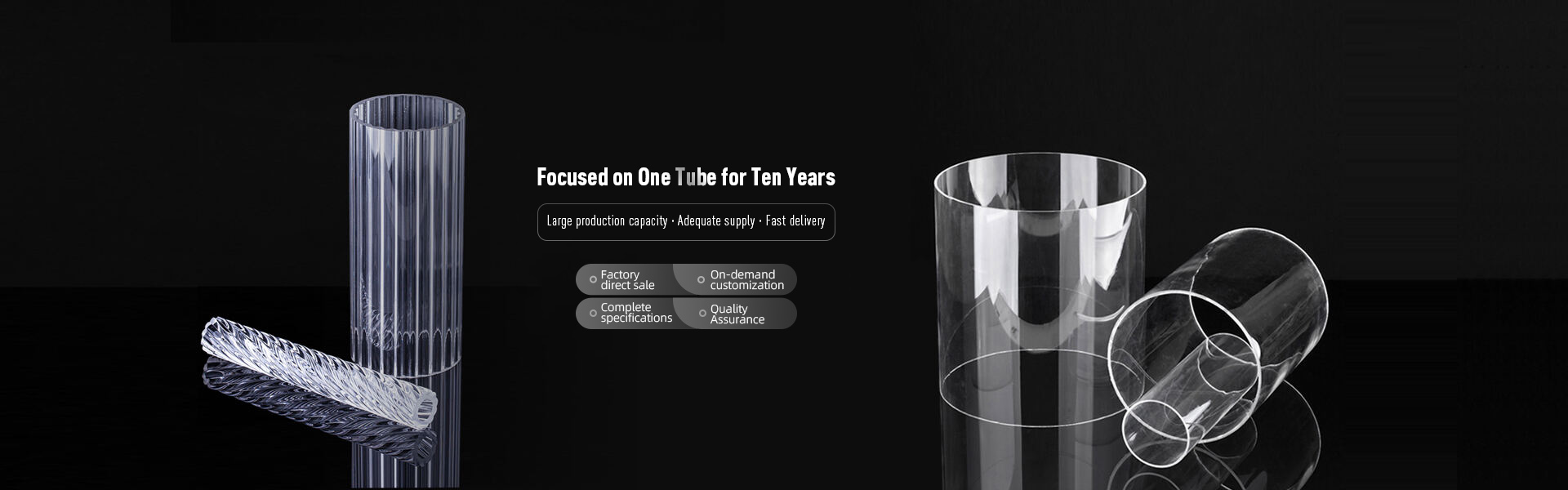
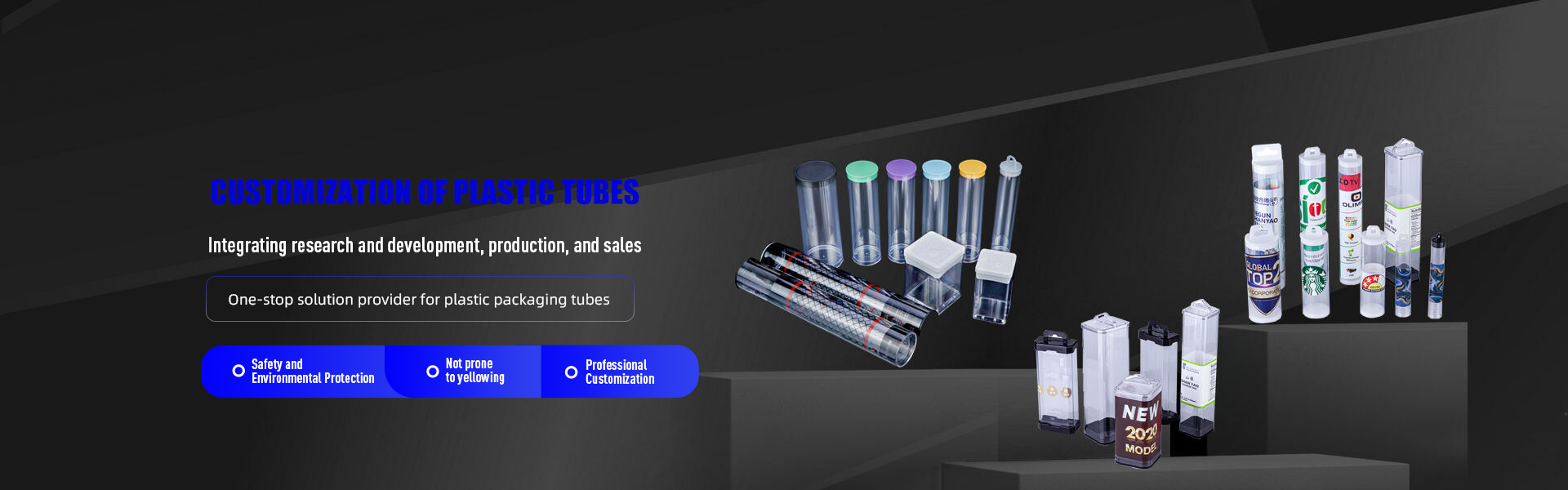
PVC
transparent pipes are widely used in the market, and their popularity is undoubtedly closely related to their own advantages. So why are CPVC pipes so popular and favored by customers? What unique characteristics do they have? Below is a detailed introduction to the product features of CPVC pipes: PVC transparent pipes' product characteristics and unique performance advantages.
1. Lightweight: CPVC has a relative density of 1350-1500 KG/M³, with a net weight generally about 1/10 of similar working pressure pipes and 1/6 of seamless steel pipes, making transportation and installation convenient and fast.
2. Easy construction with clear economic benefits: CPVC high-voltage power engineering uses tees, moisture-proof sealing rings, and support brackets. The design is efficient and construction is convenient, requiring no concrete protective layer thickness. The support brackets are connected as components, reducing construction time. CPVC contains no carcinogens and provides significant economic and social benefits.
3. Excellent corrosion resistance: CPVC resists corrosion from acids, alkalis, salts, and other chemical solvents, and does not crack when exposed to vegetable oils.
4. High compressive strength, flame-retardant, smoke suppression, heat resistance, and long service life: CPVC high-voltage power pipes completely overcome the poor weather resistance of ordinary PVC pipes. Its compressive strength can replace seamless steel pipes and avoids issues such as corrosion and closed-circuit effects that can cause single-core cables to overheat and fail. CPVC pipes have a fire rating of FV-0; they cannot be ignited and self-extinguish. Flame-retardant level ≥40%, low thermal conductivity, thermal expansion coefficient of 6.3*10⁻⁴ CM/CM℃, Vicat softening temperature ≥93℃, and can operate at 105℃.
5. Excellent cost-performance ratio: PVC transparent rigid pipes cost slightly less than similar concrete pressure pipes, and about 20% less than seamless steel pipes, reducing overall project costs by approximately 15%.
CPVC pipe specifications:
CPVC pipes are not only high-temperature resistant but also pressure resistant, making them very suitable for conduits for high-voltage cables above 10KV. Common high-voltage cable conduits are divided into standard and thickened types. For more information, please contact me, and I will explain in detail.
Before the advent of CPVC pipe thickness standards, cable protective sheaths were commonly made of asbestos cable conduits or ordinary PVC pipes. However, since the emergence of CPVC material, CPVC pipes have quickly replaced the influence of asbestos and ordinary PVC pipes. So what are the tips for selecting CPVC power conduits? Today, I will share some selection tips. Do not underestimate these tips; they can help us choose the most suitable CPVC pipe from the wide variety available.
PVC plastic profiles are commonly used in power grid renovation equipment, and the materials available are diverse. Such a wide selection can easily confuse buyers. In fact, selecting CPVC pipes involves various approaches.
When choosing CPVC pipes, you should first understand the application environment you need, and select CPVC pipes according to that environment, eliminating unsuitable materials. Among the remaining options, the selection process becomes much easier. Besides environmental suitability, you should also understand your basic requirements. Selection should not focus solely on price; service life and performance are the key factors.
The raw material of CPVC pipes is PVC-C resin, which has excellent chemical and processing properties, including high compressive strength, good ductility, heat resistance, corrosion resistance, and high dielectric strength. It is environmentally friendly, can maintain its shape at temperatures up to 93℃ without deformation, retains compressive strength, and has a service life of up to 50 years.