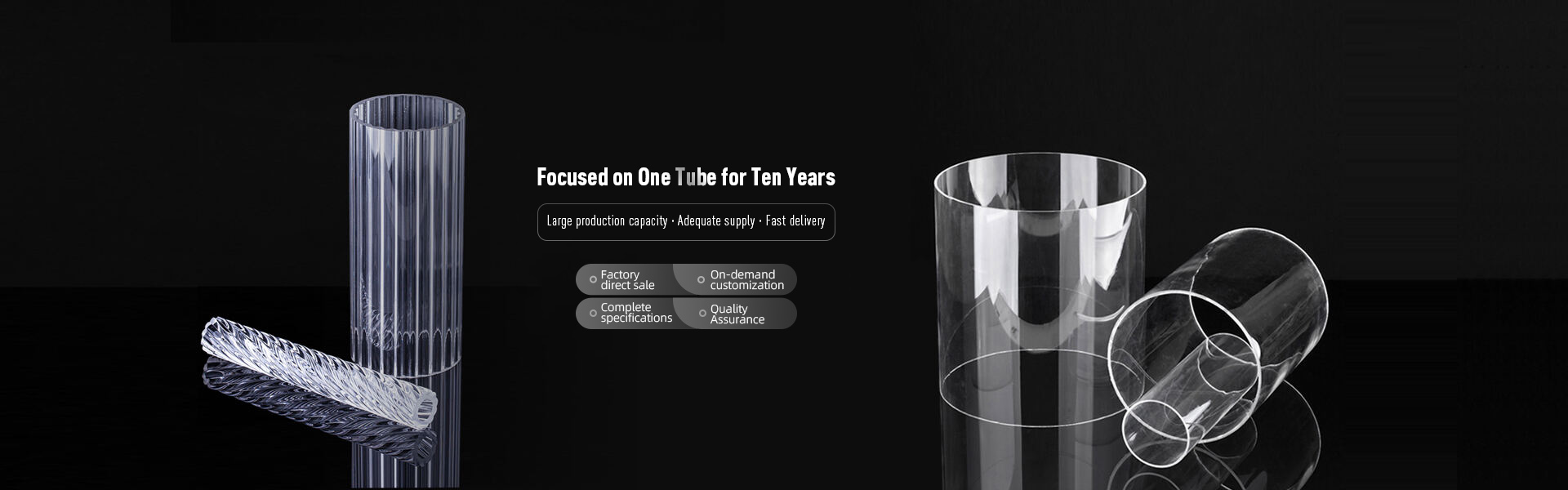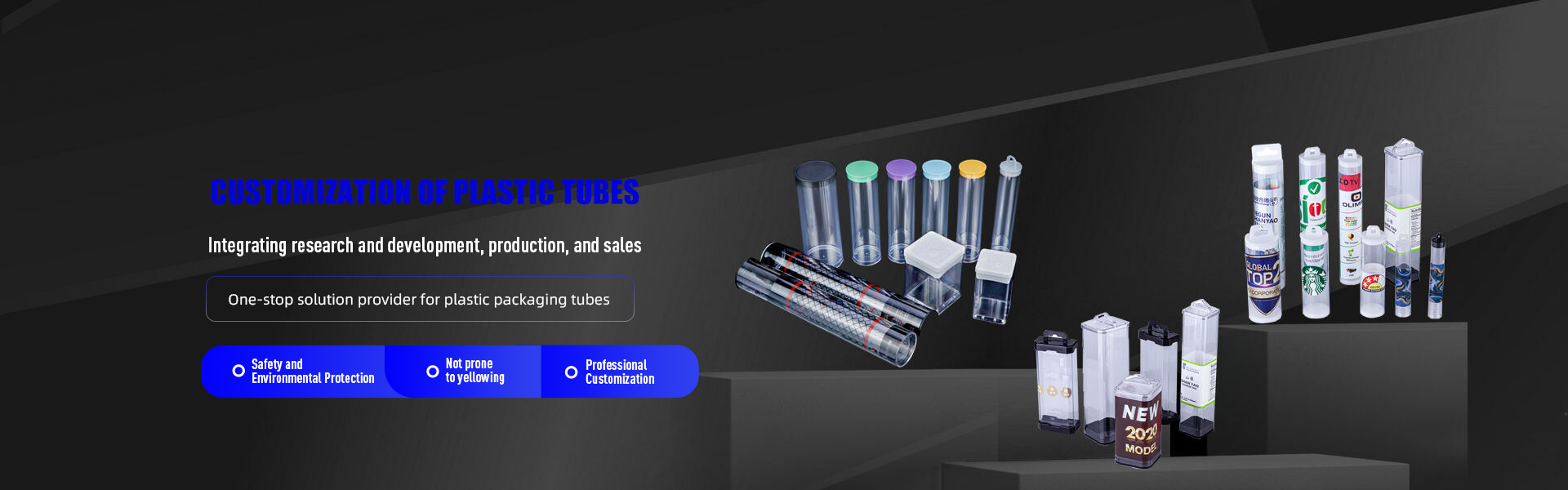
PC conduit is made of polycarbonate. Polycarbonate (PC) is a polymer with carbonate groups along its molecular chain. The full name of the conduit is “insulated electrical conduit,” which is a pipe that provides corrosion resistance, leak prevention, and wire protection. Scope of Use PC conduit is generally used in indoor environments and in places with high temperatures, lots of dust, vibrations, or fire hazards. PC conduit can also be used in humid locations. However, PC conduit should not be used in extremely wet areas, or places with alkaline, acidic, or salty corrosion, or where there is a risk of explosion. PC conduit can operate in environments ranging from -15℃ to +40℃. PC conduit has excellent mechanical performance and corrosion resistance. Its compressive strength is very high, with a working pressure exceeding 2.5 MPa. The surface of the PC conduit is very smooth, resulting in low fluid resistance, no scaling, and it is not suitable for microbial growth. It has a low thermal expansion coefficient, does not shrink, and does not deform. Precautions for Using Conduits: (1) PC conduit that complies with the Ministry of Construction standard JG3050-1998 “Insulated Electrical Conduits and Accessories for Buildings” PC conduit has certain flame-retardant properties and meets physical and mechanical performance requirements. It is suitable for hidden wiring inside walls, buried underground, and for general residential wiring in rural buildings. (2) Fire distribution lines and fire alarm system circuits require flame-retardant PVC conduits that comply with the Ministry of Public Security industry standards. For wiring in cultural heritage buildings, indoor renovations, secondary renovations of houses, and renovations of historical buildings that require clean lines (hidden in ceilings or floors), B1-grade or higher flame-retardant PC conduits must be used.